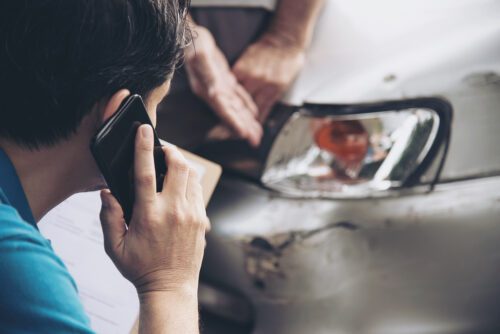
Leasing is a great option for those who want a new car but don’t want to commit to buying. Still, a motorist can get into a wreck just as easily in a leased vehicle.
Knowing what steps to take is vital if you hope to avoid significant financial losses as a result of the accident.
Accidents involving leased vehicles require some additional legwork for getting your car fixed.
If you were physically injured, you also need to make a claim for compensation to cover your medical bills. Below, our Conyers, Georgia auto accident lawyers explain what you need to know.
Please don’t hesitate to contact us online or call (770) 988-5252 today for a free, no-obligation consultation.
Who Gets the Insurance Payout When a Leased Car Is Totaled?
If your leased car is declared a total loss, the insurance company will typically send any payout straight to the dealer or leasing company, since they are the true owner of the vehicle. The insurer’s payment is meant to cover the car’s current value—not your full lease balance.
If there’s a gap between what’s owed on the lease and what the insurer pays, this is where gap insurance comes in handy. Gap insurance will step in to cover the remaining balance so you aren’t stuck paying out of pocket for a car you can no longer drive. Once the dealer or lessor is paid off, any additional insurance payments for injuries or medical bills would be issued directly to you.
Exploring Your End-of-Lease Options After a Crash
Finding yourself in a car accident with a leased vehicle adds a fresh layer of paperwork on top of your stress, but you do have paths forward as your lease nears its end. Let’s break down your choices so you aren’t blindsided when it’s time to return your keys—or decide to hang onto them.
Option 1: Return the Leased Vehicle As-Is
If the car has been repaired according to your lease agreement (typically using manufacturer-approved parts), you can usually return the vehicle at the scheduled end of your lease. Be prepared: most leasing companies or brands like Toyota Financial Services or Honda Lease Trust will do a detailed inspection. If there are still dents, dings, or unresolved damage, you may face “excess wear and tear” charges at turn-in.
Option 2: Purchase Your Leased Car
Worried that minor damage or repair work will cost you at lease return? Many lessees consider buying out their vehicle instead. When you purchase the car at lease end, you avoid the walk-around inspection and any related penalty or excess wear fees. This route is especially attractive if you’ve grown attached to the car—or you’d rather skip arguing about scratches.
Option 3: Early Buyout—Keep the Car Now
Maybe you had repairs done outside dealer guidelines, or you just want the peace of mind of knowing exactly what will happen with your car. Nearly all major lessors (think Ford Credit, Nissan Motor Acceptance, etc.) allow you to buy out your lease early. You’ll pay the remaining balance—often called the “payoff amount”—and the car becomes yours, free and clear of further lease restrictions.
Option 4: Transfer or Trade In
In some situations, you might be able to transfer your leased vehicle to another person or trade it in at a dealership for another vehicle. While not always available in the immediate aftermath of an accident, it’s worth checking policies with your leaseholder or local dealer, especially if the car is fully repaired.
A Word About Total Loss Scenarios
If your insurance company deems the vehicle a total loss and gap insurance is in place (required by many brands, like BMW Financial Services or GM Financial), the difference between your lease balance and the insurance payout should be covered. If not, you could be billed for any remaining amount.
No matter what, check your lease agreement and talk to your leasing company before making big decisions. There are typically clear procedures to follow, and knowing your options helps you avoid any unpleasant surprises down the road.
Thinking About Buying Out Your Leased Vehicle After an Accident?
Accidents can cause more than just physical damage—they can create a few lingering worries about your lease, too. Maybe you’re anxious about those leftover dents and scratches, or perhaps you handled repairs yourself, not realizing certain repairs needed prior approval from the lessor. Understandably, you’re wondering what your options are as your lease approaches its end.
Good news: Most leasing companies, such as Toyota Financial Services or Honda Lease Trust, allow you to buy out your leased car even if it’s been in an accident. This route can be especially appealing if you’re concerned about excess wear-and-tear fees or if you’d rather avoid the post-accident inspection process at the dealership.
Here’s what to note:
- Buying out your lease means you purchase the car for the predetermined residual value listed in your contract.
- You generally won’t need to go through a full inspection if you’re buying the car instead of returning it—no surprise repair bills or excess wear fees.
- However, be aware that if you handled repairs outside of manufacturer guidelines, this might affect the vehicle’s value if you intend to resell it later.
- You’ll need to secure financing (through your own bank, credit union, or the leasing company) to complete the buyout, and you’ll be responsible for any remaining payments, sales tax, and associated fees.
So, if the idea of a final, nerve-wracking walkthrough at the dealership sends shivers down your spine, purchasing your vehicle at lease end—bumps and all—can be a relatively smooth way to skip the added stress.
Personal Injuries & Your Right To Compensation
If you were hurt in the accident, you might be entitled to compensation to cover medical care, lost wages, and pain and suffering. Unless your leased vehicle was defective, the dealer has no obligation to pay you compensation. Instead, you need to hire your own lawyer and seek a settlement from the person who hurt you.
In most cases, you will sue another driver who is at fault for the crash. For example, someone speeding or failing to yield is at fault if they slammed into you. This driver should carry bodily injury liability insurance as required by law. However, you will need your own attorney to carefully review the facts as known to determine fault.
Speak With MG Law Today
Accidents involving leased vehicles can cause unforeseen headaches. You need an attorney who has your best interests at heart. To maximize your compensation—and minimize any liability you might have for the wreck—please contact MG Law today.
Our lawyers can listen to your concerns and then explain the legal process for obtaining compensation for your injuries. Give us a call at (770) 988-5252 or reach us online to schedule your free consultation.