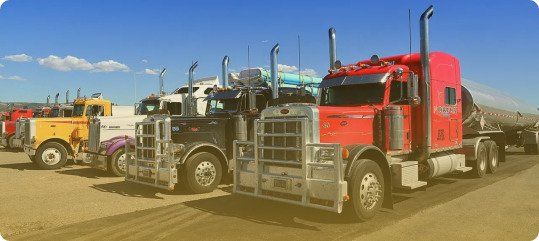

There are thousands of commercial vehicles on the road each and every day in Georgia.
Unfortunately, even careful commercial drivers can get into collisions.
These truck accidents can happen on the highway, on side streets, and in city centers, leaving many innocent victims hospitalized.
At MG Law, we represent truck accident victims in their quest for justice. Our experienced Georgia truck accident lawyers summarize what to expect following an accident involving a commercial driver.
For a free consultation, please reach out online or call (770) 988-5252 today for a free consultation.
Types of Violations That Can Result in CDL Suspension or Revocation
When a commercial driver is involved in a serious traffic accident or violates important traffic safety laws, both federal and state regulations establish strict consequences for their CDL. Certain types of misconduct almost always trigger immediate suspension or even permanent disqualification. Some of the most common violations include:
- Operating a commercial vehicle under the influence of alcohol or drugs.
- Driving significantly above the posted speed limit (typically 15 mph or more).
- Fleeing the scene after causing an accident.
- Using a commercial vehicle for illegal purposes, such as transporting illicit substances.
- Intentionally using a vehicle to cause harm to others.
Beyond individual violations, there are cumulative effects to consider. For example, federal law imposes a minimum 120-day suspension for accruing three serious traffic violations within a three-year period. In some cases, such as causing a crash while impaired or committing multiple major offenses, the CDL can be revoked outright, sometimes permanently. States may also have additional restrictions, or allow applications for reinstatement after a set number of years.
It’s wise to review the Federal Motor Carrier Safety Administration (FMCSA) Code of Federal Regulations for a comprehensive list of disqualifying offenses. Each situation is unique, and penalties can be severe, especially when public safety is at risk.
What Actions Can Cause a CDL Driver to Lose Their License?
Certain behaviors behind the wheel can spell the end of a commercial driver’s career. In Georgia, as in most states, a CDL driver faces immediate suspension for a handful of serious infractions, such as:
- Driving under the influence of alcohol or drugs;
- Exceeding the speed limit by a significant margin (typically 15 mph or more);
- Fleeing the scene after causing an accident;
- Committing major offenses with a commercial vehicle, such as transporting illegal substances;
- Intentionally using a commercial truck to harm another person.
These actions won’t just put the public at risk—they can also permanently bar a driver from operating commercial vehicles. If a driver is found guilty of any of these violations, the Department of Transportation will likely revoke his CDL, putting his livelihood in jeopardy
Penalties for Repeated and Major CDL Violations
Both state and federal regulations impose strict consequences on commercial drivers who rack up serious violations or commit major offenses.
For multiple serious traffic offenses—think excessive speeding, reckless driving, or improper lane changes—federal rules dictate that a CDL holder faces a suspension of at least 60 days after compiling two such violations within a three-year span. If the tally reaches three violations in three years, the mandatory suspension jumps to a minimum of 120 days. Keep in mind, states like New Mexico and others may enforce even tougher restrictions depending on their local laws.
When a major offense occurs—such as a DUI, refusing a drug test, or using a commercial vehicle to commit a felony—the penalties are even steeper. In these cases, a driver’s CDL can be revoked outright. Most states require at least a 10-year waiting period before a driver may even apply for reinstatement, and a second major violation typically results in permanent disqualification from holding a CDL.
These regulations are designed to keep the roads safer for everyone and underscore just how serious the authorities take commercial driver’s responsibilities.
Can a CDL Driver Get Their License Back After Revocation?
Many accident victims wonder what happens if a CDL driver loses their license entirely. Generally, a commercial driver’s license is revoked for major offenses like causing a crash while under the influence. In some states, there is a path for reinstatement, but it isn’t quick or guaranteed—a waiting period of up to ten years is common before a driver can even apply to have their license restored. That said, if the driver has a second major violation, they may face a permanent ban from returning to commercial driving.
We find that the possibility of reinstatement can influence how drivers and their employers handle accident claims. The threat of permanent or near-permanent disqualification is a strong motivator. It’s important to keep these potential consequences in mind when seeking the full value of your claim.
Consequences of Inexperienced or Poorly Trained Truck Drivers
When trucking companies cut corners and put inexperienced or poorly trained drivers on the road, the risks escalate for everyone. This negligence often stems from hiring drivers without thoroughly checking their qualifications or providing adequate training and supervision. The fallout can be far-reaching:
- Increased Accident Rates: Drivers lacking experience or proper training are more likely to make critical errors on the road—whether it’s misjudging stopping distances, mishandling blind spots, or failing to react properly in emergencies. These mistakes raise the likelihood of serious collisions.
- Higher Severity of Injuries: An unprepared driver may not know how to mitigate the impact of a crash, leading to more severe injuries or even fatalities for all involved.
- Compliance Issues: Commercial truck drivers are required to meet strict health, licensing, and safety standards, like passing Department of Transportation physicals and maintaining a valid Commercial Driver’s License (CDL). When companies overlook or ignore these regulations, they put unqualified drivers behind the wheel, endangering public safety.
- Drug and Alcohol Risks: Inadequate screening for substance abuse increases the danger of impaired driving, which can have catastrophic results.
- Ongoing Community Impact: Beyond individual accidents, these practices put everyone sharing the road at risk and contribute to a broader pattern of unsafe driving conditions.
Ultimately, the decision to hire and inadequately prepare truck drivers not only jeopardizes safety but can also have long-term legal and financial consequences for everyone affected.
The Role of Driver Health, Record, and Training in Road Safety
The safety of everyone on Georgia’s roads depends greatly on the qualifications and condition of commercial truck drivers. Trucking regulations require drivers to undergo a Department of Transportation (DOT) physical before they can operate a commercial vehicle, and they must regularly pass these exams every two years. This screening ensures that only healthy individuals, free from disqualifying medical conditions, are behind the wheel—after all, a sudden health issue while driving an 80,000-pound tractor-trailer can have catastrophic results.
Driving history is just as crucial. Truck drivers must maintain an appropriate commercial license, and any history of reckless driving, DUIs, or major violations can—and should—disqualify them from operating large commercial vehicles. Carriers who ignore poor driving records put everyone at risk.
Criminal histories, especially those involving substance abuse, can also influence driver behavior. Drivers impaired by drugs or alcohol pose a serious threat, as their reaction times and judgment are compromised.
Finally, thorough training and ongoing supervision by trucking companies play a key role in preventing accidents. Drivers need more than a valid license; they must understand everything from proper cargo securement to safe maneuvering in poor weather conditions. When companies cut corners by hiring inexperienced drivers or skipping essential training, they increase the likelihood of crashes on Georgia roads.
All these elements—driver health, clean records, and proper training—work together to keep our highways safer for everyone.
How Personal Vehicle Offenses Can Jeopardize a CDL
Many people assume that what happens while driving their personal car doesn’t affect their professional life behind the wheel of a big truck—but for CDL holders, that’s not the case. Even when off the clock, commercial drivers are expected to maintain a spotless driving record. Serious traffic offenses in a personal vehicle can threaten their ability to earn a living.
Some violations in a non-commercial vehicle that can have big consequences for a CDL driver include:
- DUI or DWI Arrests: Alcohol or drug-related offenses, even when not in a truck, can trigger a suspension or permanent revocation of a CDL.
- Hit and Run: Leaving the scene of an accident in any vehicle is a major violation and will count against a truck driver’s record.
- Using a Vehicle to Commit a Felony: Any criminal act committed with a personal vehicle can risk CDL disqualification.
- Driving on a Suspended License: Operating any vehicle without a valid license spells trouble—whether you’re hauling freight or just running errands.
Most states—including Georgia—follow federal regulations, meaning these major violations apply regardless of what kind of vehicle you’re driving. For example, under New Mexico law and federal DOT rules, a major offense in a personal car will count just as it would in a commercial truck.
Truck drivers are held to a higher standard on and off the job. If you’re involved in a crash with a professional driver, remember: both their personal and commercial driving histories could play a part in your claim.
Steps to Take After Losing Your CDL License
If a truck driver loses their CDL license as a result of an accident, the situation is understandably serious—and often, it means the end of their ability to work professionally behind the wheel, at least temporarily. What should a driver do next? Here’s a practical approach:
- Understand the Reason for Suspension: Carefully review the notice from the Department of Transportation or your state’s DMV. The reason—such as driving under the influence, excessive speeding, or fleeing the scene—will determine your options moving forward.
- Consult an Experienced Attorney: Because a license suspension can threaten your livelihood, it’s wise to speak with an attorney who specializes in commercial driving laws. They can assess whether a challenge or appeal is possible, guide you through the process, and may even help reduce the period of suspension.
- Fulfill All Stipulated Requirements: Depending on the violation, you may need to complete certain steps before you’re eligible to regain your license. This might include attending traffic safety or rehabilitation programs, paying fines, or serving a mandatory suspension period.
- Consider Alternative Employment: If your license is suspended for a prolonged period, you may need to consider temporary non-driving jobs within the industry, such as dispatcher, warehouse associate, or logistics support roles, while you work to reinstate your CDL.
- Prepare for Reinstatement: Once the suspension period is over and all requirements have been satisfied, follow your state’s process to apply for reinstatement. Be sure to check the Federal Motor Carrier Safety Administration (FMCSA) guidelines, as some violations may require you to retake certain tests or undergo additional background checks.
Losing a CDL is a major setback, but with the right steps, a driver can work toward reinstating their license—and possibly their career.
Can an Accident in a Personal Vehicle Affect a CDL?
Even accidents outside of work can come back to haunt professional drivers. If a truck driver is involved in a crash while operating a personal vehicle, that incident can still appear on their overall driving record. Any accident reported by law enforcement will end up on both their regular and commercial driving histories.
Insurance companies and the Department of Transportation both look at the driver’s full record, not just what happens behind the wheel of a big rig. Too many violations or accidents—regardless of whether they occurred on the job or off—may put a CDL at risk. Repeated traffic offenses can trigger license suspension under federal and state guidelines. In some cases, insurers may raise rates or refuse coverage entirely.
Truckers must therefore drive carefully at all times, not simply when they’re on duty. Maintaining a clean record, even in a personal vehicle, is crucial for anyone who depends on a commercial license for their livelihood.
The Risks of Hiring Truck Drivers with Accident Histories
Employing truck drivers who have prior accidents on their record can significantly increase the likelihood of future crashes. Trucking companies have a responsibility to hire qualified, capable drivers—but when they overlook a driver’s accident history, they put everyone on the road at risk.
There are several reasons why repeating this cycle of hiring drivers with questionable backgrounds leads to more accidents:
- Ongoing Safety Concerns: Drivers who have previously caused or been involved in accidents may not have addressed the unsafe behaviors or habits that contributed to those incidents, such as distracted driving or failing to follow safety protocols.
- Health and Fitness Issues: All commercial truck drivers must pass a Department of Transportation (DOT) physical, but ongoing health problems—like fatigue, sleep apnea, or untreated medical conditions—can still affect driving ability. If a company isn’t diligent, these concerns can slip under the radar.
- Problematic Driving Records: A history of traffic violations or license suspensions is a red flag. Without a clean and current Class C CDL, a driver is not legally qualified to operate a large commercial vehicle.
- Substance Abuse Risks: Any history of drug or alcohol misuse can affect a driver’s judgment and reaction times, increasing the risk of serious collisions.
- Insufficient Training: Companies sometimes rush drivers onto the road without providing enough training or oversight. Inadequate training leaves drivers unprepared to handle the complex situations they’ll face, especially if they’ve already shown a pattern of mistakes.
When trucking companies neglect proper screening and training, and continue to hire drivers with unsafe backgrounds, they expose the public to repeated and preventable dangers. The consequences can be catastrophic for innocent motorists, cyclists, and pedestrians alike.
If a CDL driver is at fault in an accident, the incident will remain on their record for three years. Depending on the severity and circumstances of the accident, the driver could potentially lose their CDL license.
A CDL driver who is responsible for an accident might lose his license. There are many factors that go into whether he receives this penalty, such as whether someone died in the accident and the number of major traffic violations the driver has had in recent years.
As the injured motorist, you don’t have to worry too much about whether a CDL driver loses his license. But the prospect of a suspension could impact your case nevertheless. For example, a driver might resist admitting fault if he thinks he will lose his ability to drive, which will limit his ability to make money. A truck company might also try to shift liability for the crash because it doesn’t want to lose one of its best drivers.
Why Legal Representation Matters for Truck Accident Victims
Truck accidents are not just your run-of-the-mill fender benders. They often lead to intricate insurance battles. This complexity arises because trucking companies are generally backed by substantial insurance policies managed by large, well-resourced insurers.
Here’s why getting legal representation is crucial:
1. The Power Dynamic
When dealing with these large insurance entities, victims without legal aid may find themselves at a disadvantage. Insurance firms have skilled adjusters and legal teams dedicated to minimizing payouts. A knowledgeable attorney levels the playing field, ensuring victims aren’t pressured into accepting insufficient settlements.
2. Intricate Processes
Navigating the labyrinth of insurance claims following a truck crash can be daunting. Each state has its own regulations and policies, and understanding them is crucial. An attorney familiar with these procedures will efficiently guide victims through them, reducing stress and increasing the chances of favorable outcomes.
3. Maximizing Compensation
Truck accidents often result in severe injuries or fatalities. Legal representation is paramount in these situations to pursue adequate compensation for medical expenses, lost wages, and other damages. Attorneys specialize in evaluating the true impact of the accident, ensuring victims receive what they are rightfully owed.
4. Strong Advocacy
In the unfortunate case of injury or death, a skilled lawyer acts as a staunch advocate for the victim’s rights. They handle negotiations with the insurers and, if necessary, are prepared to take the case to court to achieve justice.
In summary, having an attorney by your side is essential for effectively navigating the complexities of truck accident claims and securing fair compensation.
What Are Some Common Consequences of a Semi-Truck Accident?
Semi-truck accidents can have devastating outcomes that affect not only those directly involved but also the wider community.
Here are some common consequences:
- Severe Injuries: The size and weight of semi-trucks mean that accidents often lead to serious injuries. Victims may suffer from broken bones, concussions, spinal cord damage, or even traumatic brain injuries (TBIs). The extent of these injuries usually depends on factors like vehicle speed and the impact point.
- Property Damage: Vehicles involved in accidents with semi-trucks can experience significant damage. Smaller cars are often totaled, leading to hefty repair or replacement costs, which can significantly strain an individual’s finances.
- Traffic Disruption: These collisions frequently cause road closures and traffic jams. This disrupts daily commutes and can lead to widespread economic effects, as delivery schedules are delayed and productivity decreases.
- Environmental Impact: When trucks carrying hazardous materials are involved in accidents, the risk of environmental harm increases. Hazardous spills can contaminate air, water, and soil, causing long-term damage to ecosystems.
Overall, the consequences of a semi-truck accident can be wide-ranging and severe, influencing the lives of many beyond those directly involved in the crash.
We Represent Georgia Accident Victims Just Like You
Reach out to our legal experts today to review the circumstances surrounding your crash and the rights to compensation. Call (770) 988-5252 or send us an online message today to get started with a free consultation.
Check out what our clients have to say!