
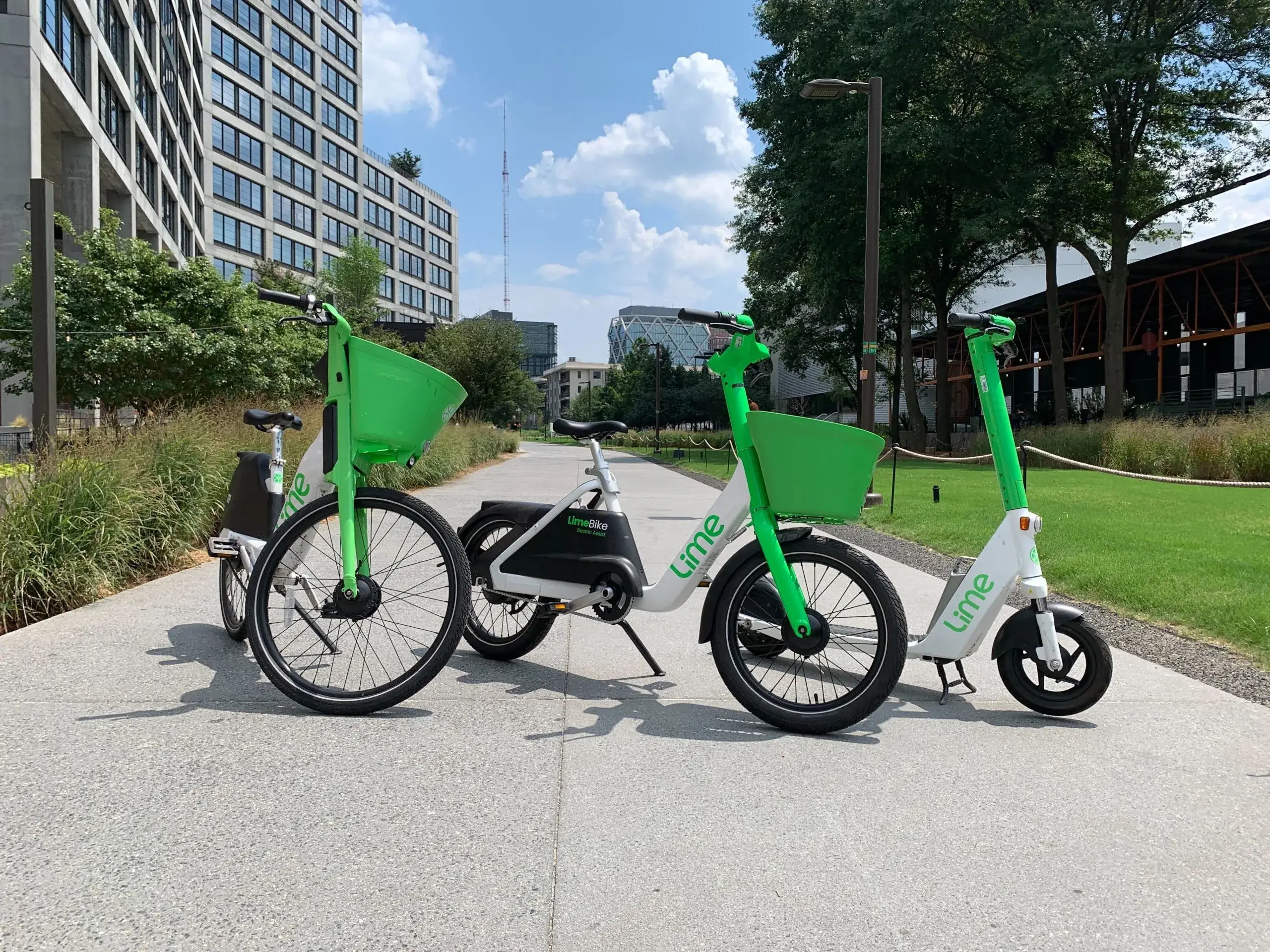
This spring, an Atlanta woman went out on her e-bike on an ordinary Friday morning. On Glen Iris Drive, she came up on a stop sign, tried to brake…and, according to investigators, the bike didn’t stop. She was thrown into a wall and died at the scene.
I don’t lead with that to scare anyone off e-bikes. I lead with it because she was one of us, a rider on a machine thousands of Metro Atlantans count on to get to work, run errands, and skip the gas pump. E-bikes and scooters are one of the best things to happen to how we get around in years: affordable, clean, genuinely fun. Our firm is firmly in favor of them. But a good thing still has to be used well, and our community is learning that the hard way.
A Nationwide Growing Pain, Not a Reason to Park the Bike
We’re not the only city working this out. In New York, officials rolled out a 15 mph citywide speed limit for e-bikes and are now sorting through how to enforce it fairly on crowded streets.
It would be easy to read that as a crackdown, as proof that e-bikes are trouble. I read it differently. When millions of people adopt a new way of moving faster than the rules can keep up, cities have to catch up. That’s not a verdict against e-bikes; it’s the ordinary work of fitting a good thing into busy streets. Atlanta is doing the same work, closer to home.
What the Trend Looks Like Here in Georgia
The numbers should get every parent’s attention. AAA reports that e-bike injuries among children have jumped by more than 300% — and these aren’t scraped knees. As Dr. Sofia Chaudhary of Children’s Healthcare of Atlanta put it, we’re talking about “brain bleeds, skull fractures, broken bones and internal injuries.”
There’s physics behind it, too. A standard bike helmet, AAA notes, protects you up to about 28 mph. Some of these bikes hit 60 — a speed at which a bicycle helmet is doing a job it was never built for. The injuries, AAA says, happen “when speed outpaces skill, when helmets are skipped.”
The Legal Side, in Plain English
So who’s responsible when a rider gets hurt? In Georgia, it depends on what went wrong, and often more than one party is on the hook.
Think of it like a chain. If a distracted driver runs you off the road, that driver and their auto insurance is a link. If a property owner left a dangerous hazard across a path they invited people to ride, that’s a link. If the bike itself fails, the brakes don’t grab, a battery ignites, the maker of a defective product is a link. And if another rider bombs down a sidewalk into you, so are they. A good injury case finds every link that helped cause the harm.
E-bike cases can get tricky, and here’s the honest reason: classification is everything. Under Georgia law, whether a two-wheeler counts as a bicycle or a motor vehicle turns on its top speed, motor wattage, and whether it has working pedals. Cross those thresholds and it legally becomes something closer to a motorcycle, changing who needs a license, whether registration and insurance are required, and which policies cover a crash. An auto policy, a homeowner’s policy, or your own uninsured-motorist coverage might all come into play, or none of them. That’s not a question you should have to answer alone at the worst moment of your life.
Ride Smart: What You Can Do Today
You don’t need a law degree to lower your risk. A few habits make a real difference:
- Wear a helmet, every ride and match it to your speed. Standard helmets top out around 28 mph; a genuinely fast e-bike needs motorcycle-grade protection.
- Choose a legal class of e-bike. Know your bike’s top speed and wattage, and keep it within Georgia’s bicycle limits so you’re not unknowingly riding an unregistered motor vehicle.
- Say no to modified or over-powered bikes. A bike “unlocked” to hit 40 or 60 mph isn’t a better bike. It’s a different, far riskier machine, and often an illegal one.
- Supervise young riders. Police suggest kids under 12 shouldn’t be operating these at all. Match the bike to the child, not the other way around.
- Know the local rules. Sidewalks are off limits for e-bikes in most areas. Ride with traffic, obey signals, and stay predictable.
A Few Quick Questions
It depends on the bike’s speed, motor wattage, and pedals. If it’s built to go well past bicycle speeds, Georgia may treat it as a motor vehicle, with licensing and other requirements. When in doubt, check the specs before your kid rides.
Possibly. If another party’s carelessness caused your injuries, you may have a claim and you should contact MG Law. If the bike itself failed, preserve it rather than repairing or discarding it, since a defect can point to the manufacturer or seller.
If You or Your Child Was Hurt, You Don’t Have to Face It Alone
E-bikes are here to stay, and that’s a good thing. Our job is to help you ride into that future with your eyes open and to stand with you if something goes wrong.
If you or your child was hurt in an e-bike or scooter crash, you shouldn’t have to take on an insurance company by yourself. That’s the work we do. Reach MG Law at (770) 988-5252 or mg4law.com for a free, confidential conversation about what happened.

Amer Ahmad is a former insurance defense lawyer who puts his knowledge of the insurance companies’ playbook to work for his clients. His practice includes helping families in wrongful death cases and individuals seriously injured by motor vehicle accidents, negligently maintained premises, and defective products. Amer has litigated hundreds of serious injury claims and taken numerous cases to jury verdict in Georgia courts.